
 English
 Español
 Portugues
 Pусский
 Français
 العربية
 ไทย
ไทย Indonesia
 Tiếng Việt


Photovoltaic solar cable
A photovoltaic (PV) solar cable is an essential component in solar energy systems, serving as the connection between solar panels and inverters or other electrical equipment. Specifically designed for use in photovoltaic systems, these cables are engineered to withstand a range of environmental conditions and electrical requirements unique to solar power generation.PV solar cables are typically insulated and sheathed with materials that ensure durability, flexibility, and resistance to ultraviolet (UV) radiation, ozone, moisture, and extreme temperatures. The insulation materials commonly used include cross-linked polyethylene (XLPE) and ethylene propylene rubber (EPR), both of which provide excellent electrical insulation and mechanical protection. The outer jackets are similarly engineered for protection and longevity, capable of operating effectively in temperatures ranging from -40°C up to 120°C, depending on the specific type and rating of the cable.These cables are designed with stranded copper conductors, which enhance their flexibility and reduce the risk of breakage during installation. Copper’s high conductivity ensures minimal energy loss over distance, contributing to the overall efficiency of the solar power system. In some cases, aluminum conductors may be used, especially for larger installations where cost reduction and weight are significant factors.One of the most important features of photovoltaic solar cables is their resistance to weathering and environmental degradation. As solar panels are usually installed outdoors, cables are frequently exposed to sunlight, rain, snow, and fluctuating temperatures. The robust construction of PV cables prevents cracks, brittleness, and reduced performance over time, ensuring the safe and reliable transfer of electricity for the system’s operational lifetime—often more than 25 years.PV solar cables must also meet various standards and certifications to guarantee safety and quality. These may include international standards such as EN 50618, TÜV, UL 4703, and IEC 62930, among others. Compliance ensures the cables are flame-retardant, halogen-free, and safe for continued use in diverse environments.Furthermore, PV cables are typically double-insulated for added safety and are designed for both direct current (DC) and alternating current (AC) applications, although DC use is more common in solar arrays. They are available in various cross-sectional areas, usually ranging from 1.5 mm² to 16 mm², depending on the current and voltage requirements of the installation.In conclusion, photovoltaic solar cables are specialized electrical cables tailored for the demanding conditions of solar installations. Their design emphasizes durability, flexibility, safety, and efficiency, making them a fundamental element for the effective and safe operation of modern photovoltaic systems.
ürün
sınıflandırma:
Güneş kablosu
-
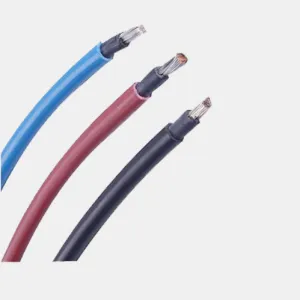
TUV Sertifikalı Fotovoltaik Güneş Kablosu
Sınıflandırmaları: Güneş kablosuGörünümler: 266Sayı:Bırakma süresi: 2025-02-18 10:00:05Fotovoltaik kablonun özellikleriBaşvuru:TUV sertifikalı fotovoltaik güneş kablosu, elektrik üretimi için güneş panellerine ve kablolamanın ilgili bileşenlerine, bağlantı, özellikle dış mekan için uygun olarak uygulanır. Güneş ışığına karşı direnç, yaşlanmaya karşı, düşük duman halojensiz alev geciktirici malzemeler, daha yüksek dereceli, daha fazla güvenlik.Standart:TUV Sertifikalı Fotovoltaik Güneş Kablosu EN 50618'e göre sertifikalı: 2014Ürün Özellikleri:Alev geciktirici, hava/UV'ye dayanıklı, ozona dayanıklı, iyi çentik ve aşınma direnciKablo Yapımı:İletken: BS EN 50618 CL'ye göre ince tel...
Haber
sınıflandırma:
Arama sonucu yok!
Dava
sınıflandırma:
Arama sonucu yok!
Video
sınıflandırma:
Arama sonucu yok!
İndir
sınıflandırma:
Arama sonucu yok!
İşe Alım
sınıflandırma:
Arama sonucu yok!
Önerilen ürünler
Arama sonucu yok!



 Telefon
 Posta
Posta