
 English
 Español
 Portugues
 Pусский
 Français
 العربية
 ไทย
ไทย Indonesia
 Tiếng Việt


Flame Retardant Cable
Çin'den toptan ve alıntı {anahtar kelime} toptan ve alıntılar bulun. {Anahtar kelime} şirketi, fabrika ve ihracatçıların profesyonel üreticisiyiz, yüksek kaliteli {anahtar kelime} konusunda uzmanlaşmıştır.
ürün
sınıflandırma:
-
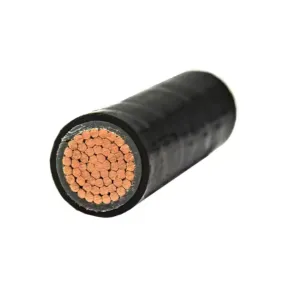
N2xh-J N2xh-O 0.6/1kv Halogen-Free Flame Retardant Copper Multi Core 1X240 mm2 Photovoltaic Cable 16A Rated Current Pure Copper
Sınıflandırmaları: Düşük voltaj kablosuGörünümler: 295Sayı:Bırakma süresi: 2025-07-21 05:43:29The N2XH-J/N2XH-O series 0.6/1kV halogen-free flame retardant photovoltaic cable features pure copper conductor (240mm²) with 16A rated current. Specially designed for PV systems, it offers excellent weather resistance, UV protection and flame retardant properties, suitable for DC-side power transmission in solar plants. With international certifications, this cable ensures long-term reliable performance in harsh environments, providing safe power connection solutions for photovoltaic systems. -
630 Sqmm 300sqmm Single Core Cu XLPE Awa Flame Retardant Armored Power Cable BS5467 600/1000
Sınıflandırmaları: Düşük voltaj kablosuGörünümler: 421Sayı:Bırakma süresi: 2025-07-25 09:51:10630 Sqmm and 300sqmm Single Core Cu XLPE Awa is a flame - retardant armoured power cable. It is strictly manufactured in accordance with the BS5467 standard, with a rated voltage of 600/1000V, and can excellently adapt to medium and high - voltage power transmission scenarios, providing stable support for power transmission. In terms of materials and performance, this cable has significant advantages. The high - purity copper conductor is its core, which has excellent conductivity. It can transmit electricity efficiently and minimize energy loss during transmission. The XLPE (cross - linked polyethylene) insulation layer has excellent temperature resistance, with a long - term working temperature of up to 90℃. It also has outstanding insulation effect, which can play a stable role in high - voltage environments and ensure the safety of power transmission. The Awa (aluminum armoured) layer provides solid mechanical protection for the cable, which can effectively resist external impacts such as extrusion and collision, and extend the service life of the cable. In addition, the cable as a whole has flame - retardant characteristics. When a fire occurs, it can slow down the spread of the fire and reduce the generation of toxic smoke, greatly improving the safety during use. In terms of specifications, cables with different cross - sections have different applicable scenarios. The 300sqmm cable is suitable for power branch lines in industrial parks, internal power distribution systems of large buildings, etc., and can meet the power transmission needs of medium power. The 630sqmm cable is more suitable for main line transmission, such as branch lines of urban power grids, transmission lines of large industrial and mining enterprises, etc., and can cope with high - power power transmission tasks. Because it meets the BS5467 standard and has flame - retardant and armoured characteristics, this cable is widely used in crowded places such as shopping malls, subways and hospitals. It is especially suitable for closed environments with high requirements for safety performance and specifications, providing a reliable guarantee for power transmission in various scenarios. -
Rvfv-K Rvfav-K Cable Flame Retardant 240 mm Flexible Armored Cable with Double Steel Tape
Sınıflandırmaları: Düşük voltaj kablosuGörünümler: 502Sayı:Bırakma süresi: 2025-07-28 09:08:40This article covers two types of double steel tape armored flexible cables: Rvfv-K and Rvfav-K, with a conductor cross-sectional specification of 240mm² and flame-retardant properties. The 240mm² conductor cross-section endows the cable with a strong current-carrying capacity, usually reaching 400-500A, which can meet the power transmission needs of large industrial equipment and high-load power distribution systems. The flexible design makes the cable easier to bend during laying, especially suitable for narrow spaces that require turning, such as internal wiring of equipment and underground pipeline threading. The double steel tape armor layer significantly improves the mechanical strength of the cable, which can resist external extrusion, collision and other impacts, and protect the internal core from damage. Flame-retardant property is an important advantage of this type of cable. When in contact with fire sources, it can inhibit the spread of combustion and reduce the release of toxic smoke, buying time for personnel evacuation and fire fighting. Therefore, it is suitable for places with high fire safety requirements such as high-rise buildings, subways and power stations. There may be differences in structural details between Rvfv-K and Rvfav-K models, such as fine adjustments to insulation or sheath materials, but both take "double steel tape armor + flexibility + flame retardancy" as the core design, balancing transmission capacity, protection performance and installation flexibility. -
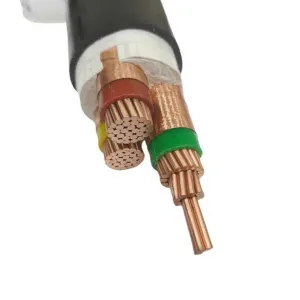
0.6/1kv Flame Retardant Cable Electric Wire R2V U1000 RO2V Cable 4X16mm2 5g 16mm2 Copper Power Cable
Sınıflandırmaları: Düşük voltaj kablosuGörünümler: 298Sayı:Bırakma süresi: 2025-08-04 08:15:44The R2V, U1000, RO2V models in the 0.6/1kv flame retardant cable series, as well as the 4X16mm² specification and 16mm² copper power cables, fully consider the diverse needs of medium and low-voltage power transmission in their design and performance. In terms of core performance, in addition to the mentioned parameters, the stability of these cables in extreme environments is also worthy of attention. Even in a low-temperature environment of -15℃, their insulation layers and sheaths will not become brittle and crack due to cold, and can still maintain good flexibility and sealing; at a high temperature of 70℃, the insulation performance remains stable without accelerated aging, ensuring continuous and reliable power transmission. In industrial application scenarios, in the face of complex mechanical vibrations and oil-contaminated environments in workshops, the cable sheaths show excellent resistance to oil adhesion due to special formulas, reducing performance degradation caused by oil erosion. At the same time, their good wear resistance makes the sheaths not easy to break when in long-term contact and friction with equipment or the ground, prolonging the service life. In the construction field, emergency lighting systems and fire-fighting equipment lines have extremely high requirements for cable reliability. These cables can not only supply power stably in daily use, but also in emergencies such as fires, the full play of flame retardant characteristics buys valuable time for personnel evacuation and fire rescue. For example, when a fire breaks out in a building, the cables will not burn easily, effectively preventing the fire from spreading along the lines, and providing a relatively safe environment for trapped personnel to escape and rescuers to work. In municipal engineering, cables for road lighting systems are exposed outdoors for a long time, experiencing wind, sun, rain and other natural environment tests. The weather resistance of this series of cables enables them to resist long-term ultraviolet radiation without aging, and can effectively prevent moisture from penetrating in rainy and snowy weather, ensuring the normal operation of the lighting system. The humid environment of underground parking lots is a big test for the moisture-proof performance of cables, and the tight structure and excellent materials of their insulation layers and sheaths can effectively block moisture, avoiding short circuits and other faults caused by moisture. In the production process, each process has precise quality control. In the conductor stranding link, advanced equipment is used to ensure that each strand of copper wire is stranded evenly, avoiding the impact on conductive performance due to uneven local stress; in the extrusion process of insulation layers and sheaths, the thickness and uniformity are monitored in real time to ensure that the performance of each section of the cable is consistent. The quality inspection link is even stricter. In addition to conventional resistance and flame retardant tests, multiple tests such as aging resistance and bending resistance are also carried out to comprehensively ensure product quality. In terms of packaging, in addition to the basic protection function, for cables transported over long distances, anti-collision buffer materials will be added to the outside of the packaging to further reduce the risk of damage during transportation. During transportation, logistics companies will formulate special transportation plans according to the characteristics of the cables to avoid mixing with sharp objects or corrosive substances. The after-sales team not only provides installation guidance and fault handling, but also regularly provides customers with cable maintenance suggestions to help customers better extend the service life of the cables. For large-scale engineering projects, after-sales personnel will conduct regular return visits, inspect the use status of cables on site, and timely discover and solve potential problems. -
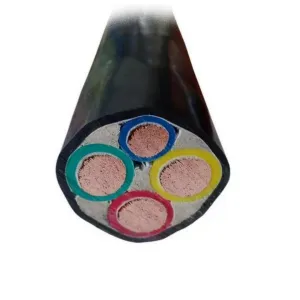
N2XH-J N2XH-O Flame Retardant LSZH Power Cable with XLPE Insulated HFFR Sheathed Pure Copper Conductor
Sınıflandırmaları: Düşük voltaj kablosuGörünümler: 328Sayı:Bırakma süresi: 2025-08-05 02:23:26N2XH-J and N2XH-O series cables are flame-retardant low-smoke zero-halogen (LSZH) power cables designed for high-safety-demand scenarios, with core advantages in excellent flame retardancy, low-smoke zero-halogen properties, and stable conductivity. Both cables adopt pure copper conductors, cross-linked polyethylene (XLPE) insulation layers, and high flame-retardant fire-resistant (HFFR) sheaths, making them suitable for subways, high-rise buildings, hospitals, data centers, and other places with strict requirements on fire prevention, environmental protection, and personnel safety. They are ideal choices that balance safety and reliability. In terms of structure and materials, the pure copper conductor has a purity of ≥99.95% and a conductivity of 102% IACS, ensuring low power transmission loss and excellent current-carrying capacity. Taking the 25mm² cross-section as an example, the current-carrying capacity when laid in the air can reach 130A, and when laid underground, it reaches 160A, which can meet the power supply needs of medium and high-power equipment. The XLPE insulation layer forms a three-dimensional network structure through cross-linking technology, with a wide temperature resistance range (-40℃ to 90℃), insulation resistance ≥1000MΩ·km, and dielectric loss ≤0.002. It can withstand a 10kV power frequency withstand voltage test without breakdown, and its insulation performance is far superior to ordinary polyvinyl chloride materials. The HFFR sheath is the "safety barrier" of the two cables, with an oxygen index of ≥35%, meeting the Class C and above requirements in the GB/T 18380.3-2008 flame retardant standard. In the vertical burning test, the flame spread length is ≤500mm, and no drips ignite the combustibles below. More importantly, the sheath releases low smoke density (minimum light transmittance ≥60%) when burning and does not release toxic gases such as hydrogen halide (HCl emission ≤5mg/g), which can significantly reduce visibility obstacles and toxic hazards in fires, gaining critical time for personnel evacuation and fire rescue. The difference between the two cables mainly lies in the details of the applicable environment: N2XH-J focuses more on mechanical damage resistance, with the sheath adding enhanced wear-resistant agents, tensile strength ≥12MPa, and elongation at break ≥150%, suitable for open laying or bridge laying; N2XH-O optimizes weather resistance, with the sheath containing anti-ultraviolet additives, which can be used in outdoor exposed environments for a long time, and its anti-aging performance is improved by more than 30%. The core number design covers 1-5 cores, with cross-sectional ranges from 4mm² to 240mm², adapting to single-phase, three-phase AC systems, and complex grounding scenarios, such as power cables in subway tunnels and power supply trunks in hospital operating rooms. In application scenarios, both perform well in fire protection systems, serving as special cables for emergency lighting and fire pumps to ensure continuous power supply in case of fire; in data center room wiring, the low-smoke characteristic avoids the risk of "black smoke asphyxiation" when traditional cables burn, protecting precision equipment such as servers; in shafts and cable wells of high-rise buildings, the flame retardant performance can prevent flames from spreading along the cables and delay the expansion of the fire. In addition, the two cables do not contain heavy metals such as lead and cadmium, meet the RoHS environmental protection standard, and cause no pollution to the environment after disposal, conforming to the development concept of modern green buildings. Performance tests show that the two cables have no cracks in the -40℃ low-temperature impact test, and the mechanical performance retention rate after the 120℃ thermal aging test is ≥80%, which can adapt to extreme temperature environments. At the same time, the sheath passes acid and alkali resistance tests. After soaking in a solution with a pH value of 2-12 for 72 hours, the volume resistivity change rate is ≤20%, which can be used in corrosive environments of chemical places. Overall, N2XH-J and N2XH-O cables, with the composite advantages of "high flame retardancy, low smoke toxicity, strong insulation, and excellent conductivity", have become the core guarantee for power transmission in high-risk environments. -
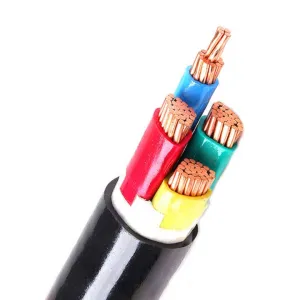
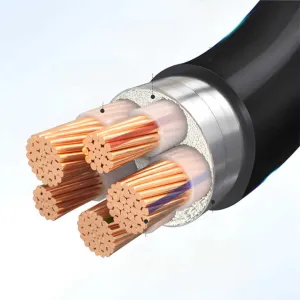
Flame Retardant Fire Resistant Power Cable Wire Copper Fireproof Insulation XLPE/LSZH 4c X 240mm2 Cable
Sınıflandırmaları: Düşük voltaj kablosuGörünümler: 457Sayı:Bırakma süresi: 2025-08-06 06:14:20The flame retardant fire resistant power cable (copper core, fireproof insulation, XLPE/LSZH material, 4c×240mm² specification) is a power transmission product specially designed for high safety demand scenarios. With excellent flame retardancy, fire resistance and stable electrical performance, it plays an irreplaceable role in fire protection, high - rise buildings, industrial facilities and other fields. In terms of specification parameters, the cable has a 4 - core structure, with each core conductor having a cross - sectional area of 240mm². "4c×240mm²" clearly indicates that it contains 4 cores of the same specification, which is suitable for three - phase four - wire system or other multi - phase power systems and can meet the demand of large - capacity power transmission. In terms of current - carrying capacity, at an ambient temperature of 25℃, the long - term allowable current - carrying capacity of each core is about 400A, which can carry a power of about 88kW, enough to support the power supply of large equipment and intensive power consumption areas. The rated voltage of the cable is usually 0.6/1kV, and some models can reach a higher voltage level, which is suitable for power distribution systems of different voltage levels. Its outer diameter is about 65mm, the thickness of the XLPE insulation layer is about 2.2mm, and the thickness of the LSZH sheath is about 3.0mm. These parameters ensure that the cable has excellent mechanical strength and insulation performance while having strong current - carrying capacity. In terms of material selection, the cable reflects the combination of high safety and high performance. The conductor is made of high - purity electrolytic copper with a purity of ≥99.95%. It not only has excellent conductivity, which can reduce transmission loss, but also has good oxidation resistance and mechanical toughness, ensuring stable conduction in extreme environments such as high temperature. The insulation layer is made of cross - linked polyethylene (XLPE), which has excellent heat resistance and insulation after special treatment. It can work for a long time at 90℃, can withstand a high temperature of 130℃ in case of short circuit, and has high insulation resistance and corona resistance, effectively preventing electric leakage. The outer sheath is made of low smoke zero halogen (LSZH) material, which is one of its core advantages. LSZH material does not release toxic halogenated gases when burning, and has very low smoke emission, which can reduce casualties and equipment damage in fire. At the same time, it has good flame retardancy and corrosion resistance, adapting to various complex environments. In terms of characteristic uses, the cable is widely used in places with strict requirements for fire safety. In high - rise buildings, it is used as a power distribution trunk running through key parts such as stairwells, elevator shafts and pipe wells to supply power to important facilities such as fire protection systems, emergency lighting and elevators. Even in case of fire, it can still maintain power transmission for a certain period of time, striving for time for personnel evacuation and fire rescue. In crowded places such as large shopping malls, hospitals and subway stations, the power distribution system adopts a large number of such cables to reduce the risk of fire spread and ensure public safety. In the industrial field, factories with flammable hidden dangers such as chemical industry, metallurgy and textile use the cable to connect key production equipment and emergency power supplies to prevent production interruption or accident expansion due to cable damage in case of fire. In addition, places with high requirements for power continuity such as data centers and nuclear power plants also rely on its flame retardant and fire resistant characteristics to ensure the stable operation of core systems. Compared with ordinary cables, the core advantage of this cable lies in the dual protection of "flame retardant + fire resistant". The flame retardancy enables it to inhibit the spread of combustion when in contact with flame and delay the expansion of the fire. The fire resistance ensures that it can still maintain normal operation for a certain period of time (such as 90 minutes) when directly burned by flame (usually can withstand a high temperature of 750 - 950℃). At the same time, the environmental protection characteristic of the LSZH sheath meets the modern green building and safety standards, avoiding the secondary pollution caused by the combustion of traditional halogen - containing cables. To sum up, the flame retardant fire resistant power cable (4c×240mm²), with its reasonable specification design, high - end material selection, wide application scenarios and outstanding safety performance, has become the preferred product for power transmission in high - risk environments, providing a solid guarantee for the safe and stable operation of various facilities. -
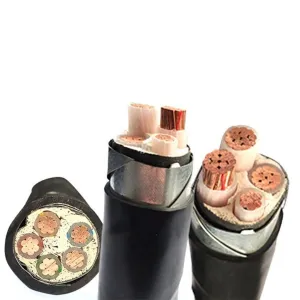
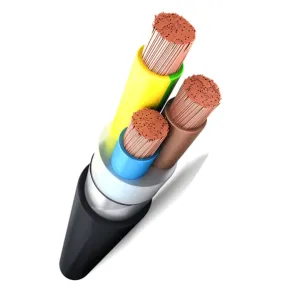
Cable XLPE 3X95+1X50 mm2 N2xh Frnc Low Smoke Halogen-Free Flame Fire Retardant Cable 0.6/1kv
Sınıflandırmaları: Düşük voltaj kablosuGörünümler: 339Sayı:Bırakma süresi: 2025-08-08 08:56:50XLPE 3X95+1X50 mm² N2xh Frnc low smoke halogen-free flame retardant cable is a high-performance power transmission product suitable for 0.6/1kv low-voltage distribution systems. With its unique structural design and excellent performance, it is widely used in high-rise buildings, subways, hospitals, large shopping malls and other places with extremely high requirements for fire safety. The cable consists of 3 phase lines of 95mm² and 1 neutral line of 50mm². The conductor is made of high-purity electrolytic copper (purity ≥99.95%) through a compact stranding process, which not only improves the filling factor of the conductor, reduces the loss caused by the skin effect, but also enhances the flexibility of the cable. At 20℃, the DC resistance of 95mm² conductor is ≤0.193Ω/km, and that of 50mm² conductor is ≤0.387Ω/km, ensuring the efficiency of power transmission and meeting the power demand of high-power equipment. The insulation layer is made of cross-linked polyethylene (XLPE) material, which has excellent electrical performance and temperature resistance. The long-term working temperature can reach 90℃, and the maximum temperature resistance during short circuit is 250℃, which can operate stably under the ambient temperature difference of -40℃ to 90℃. Its volume resistivity is ≥1×10¹⁴Ω·cm, and insulation strength is ≥20kV/mm, effectively preventing current leakage and ensuring the safety of power transmission. At the same time, the insulation layer has uniform thickness, with an eccentricity of ≤15%, and partial discharge of ≤10pC, further improving insulation reliability. The sheath and filling materials of the cable adopt N2xh Frnc low smoke halogen-free flame retardant materials, which have passed strict flame retardant tests. They are not easy to burn in flames, and the smoke concentration generated during combustion is low, with a light transmittance of ≥60%. They do not contain halogen and other toxic gases, which can reduce the harm to personnel and equipment in case of fire. This material also has good corrosion resistance and mechanical properties, with a tensile strength of ≥12MPa and an elongation at break of ≥125%, which can resist external mechanical damage and chemical erosion, and prolong the service life of the cable. In terms of current-carrying capacity, the cable performs excellently. When laid in air, the current-carrying capacity is about 240A; when laid underground, it is about 190A, which can meet the power transmission needs of high-power equipment such as large central air conditioners and elevator group control systems. Its minimum bending radius is 12 times the outer diameter of the cable, which is convenient for laying and installation in narrow spaces and adapts to complex wiring environments. The production process strictly follows relevant standards, with a complete quality control system from raw material inspection to finished product testing. The finished products need to pass multiple tests such as power frequency withstand voltage (3kV/5min without breakdown), insulation resistance test, flame retardant performance test, smoke density test, etc., to ensure that the product quality meets fire safety requirements and provide reliable guarantee for power supply in various high-risk places. -
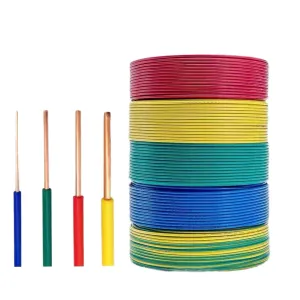
Fr-PVC Building Wire 450/750V BV/Bvr Copper Cable Flame Retardant Class C
Sınıflandırmaları: Bina kablosuGörünümler: 492Sayı:Bırakma süresi: 2025-08-15 07:34:07Fr-PVC building wire is a high-performance cable specially designed for building electrical systems, with a rated voltage of 450/750V. It includes two types: BV (single-core hard conductor) and Bvr (multi-core soft conductor), both using high-purity copper as conductors, coated with flame-retardant polyvinyl chloride (Fr-PVC) insulation material, reaching Class C flame retardant level. It is widely used in lighting, power distribution, and weak current system wiring of various buildings. The conductor part is made of electrolytic copper with a purity of over 99.95%, ensuring excellent electrical conductivity. The BV type adopts a single solid copper conductor, which has a hard structure and is not easy to deform during laying, suitable for fixed wiring scenarios such as wall embedding and pipe threading; the Bvr type is stranded by multiple fine copper wires, with excellent flexibility, which can be bent flexibly, suitable for wiring environments that require frequent movement or many turns, such as lamp installation and equipment connection. Both types of conductors are annealed to reduce resistance loss, reduce energy waste during long-term use, and ensure efficient power transmission. The insulation layer is made of polyvinyl chloride material with flame retardants (Fr-PVC), with uniform thickness in line with national standards. Depending on the wire diameter, the insulation thickness ranges from 0.6mm to 1.4mm. This material not only has good insulation performance and can effectively block current leakage, but also has passed strict flame retardant tests, reaching Class C flame retardant standards - after burning with an open flame for 30 seconds, when the fire source is removed, the flame can self-extinguish within 60 seconds without generating drips to ignite combustibles below, greatly reducing the risk of fire spread in building fires. At the same time, Fr-PVC has a temperature resistance range of -15℃ to 70℃, which can adapt to temperature changes in different areas inside the building, with excellent anti-aging performance and a service life of more than 20 years. The product has a wide range of wire diameter specifications, from 0.5mm² to 25mm², meeting the power demand of different power equipment: 0.5-2.5mm² is suitable for low-power equipment such as lighting fixtures and switch sockets; 4-10mm² can be used for household appliances such as air conditioners and refrigerators; 16-25mm² is suitable for high-power electrical appliances such as electric water heaters and central air conditioners. All specifications comply with domestic and foreign standards such as GB/T 5023.3 and IEC 60227, and have passed multiple index tests such as voltage withstand test (2000V/5min without breakdown), insulation resistance test, and mechanical performance test to ensure safe use. In building scenarios, the application of this cable is highly targeted: in residential projects, BV type is often used for main lines concealed installation in walls, and Bvr type is used for branch lines of lamps and switches; in commercial buildings such as shopping malls and office buildings, the two types can be flexibly matched, taking into account the stability of fixed wiring and the flexibility of equipment connection; in places with high safety requirements such as hospitals and schools, Class C flame retardant performance can gain valuable time for personnel evacuation and fire control. In addition, the cable has various colors, including yellow-green special for grounding, red, blue, yellow, etc., which is convenient for distinguishing phase lines, neutral lines, and ground lines, reducing the risk of construction misoperation. In the production process, automation control is realized from copper smelting to insulation extrusion: conductor drawing uses precision molds to ensure wire diameter accuracy, insulation extrusion uses online thickness measurement system to monitor thickness in real time, and finished products are inspected for insulation integrity by high-voltage spark testing machine meter by meter. Each batch of products is accompanied by a quality guarantee, which can trace production information, making users more assured. To sum up, with high-purity copper conductors, Class C flame-retardant insulation, flexible model selection, and strict quality control, Fr-PVC building wire has become an ideal choice for building electrical wiring. It can not only meet the stable transmission needs of daily electricity use, but also improve the safety protection level of buildings in emergencies such as fires, providing reliable guarantee for building electrical systems. -
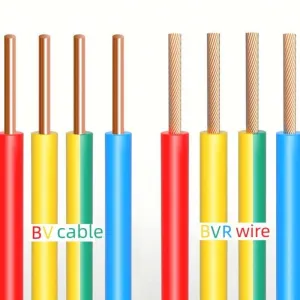
FR Flame Retardant PVC Insulated Electrical Wire Cable for House Building - Solid (BV) or Stranded (BVR) Copper Core - 1.5mm, 2.5mm, 4mm²
Sınıflandırmaları: Bina kablosuGörünümler: 314Sayı:Bırakma süresi: 2025-09-03 08:01:12The FR (Flame Retardant) PVC Insulated Electrical Wire Cable—designed specifically for house building, featuring solid (BV) or stranded (BVR) copper cores and cross-sectional sizes of 1.5mm², 2.5mm², and 4mm²—stands as a critical component in residential electrical systems, balancing safety, versatility, and long-term reliability. Unlike standard non-flame-retardant cables, this variant is engineered to mitigate fire risks in homes, a top priority for homeowners, electricians, and building code regulators worldwide. By combining flame-retardant PVC insulation, high-conductivity copper cores, and a range of sizes tailored to residential load demands, it addresses the unique electrical needs of modern homes—from powering lighting and small appliances to supporting heavy-duty equipment like air conditioners and electric vehicle chargers. This summary explores its core safety features, copper core design, size scalability, and real-world application value, highlighting why it has become the go-to choice for compliant, safe residential electrical wiring. At the forefront of this cable’s design is its FR flame-retardant PVC insulation, a non-negotiable feature for house building where fire safety is paramount. The PVC (polyvinyl chloride) insulation is treated with flame-retardant additives (e.g., aluminum hydroxide, magnesium hydroxide) that suppress combustion and limit the spread of flames in the event of an electrical fault (e.g., short circuit, overheating). This meets strict global fire safety standards, including IEC 60332-1 (single-cable flame test) and GB 50217 (Chinese code for electrical design in buildings), ensuring compliance with most residential building regulations. In practical terms, the flame-retardant property means the cable self-extinguishes within 60 seconds of removing the ignition source, preventing small electrical fires from escalating into full-scale home blazes. Additionally, the PVC insulation exhibits low smoke emission and low toxic gas release during combustion—critical for protecting occupants during a fire, as smoke inhalation is a leading cause of fire-related injuries. The insulation also delivers robust environmental resistance for indoor residential use: it withstands temperature fluctuations from -15°C to 70°C (typical of attic and basement environments), resists moisture ingress (water absorption ≤0.5% after 24 hours of immersion), and is immune to common household chemicals (e.g., cleaning agents, detergents), ensuring long-term performance without insulation degradation. The cable’s copper core options—solid (BV) and stranded (BVR)—cater to different installation needs in house building, offering flexibility for electricians and adapting to varying residential wiring scenarios. Solid (BV) Copper Core: Composed of a single, rigid copper wire, the BV variant excels in fixed, straight-line installations—ideal for wiring inside walls, ceilings, and conduits where minimal bending is required. Its rigidity ensures stable termination (e.g., connecting to sockets, switches, or distribution boxes) and reduces the risk of loose connections over time, a common cause of electrical arcing. The solid core also has slightly lower electrical resistance than stranded cores (e.g., 12.1 Ω/km for 2.5mm² BV vs. 12.5 Ω/km for 2.5mm² BVR), translating to marginally better conductivity—though the difference is negligible for residential load demands. For example, a 10-meter run of 2.5mm² BV cable powering a 2kW electric heater experiences only 0.24V voltage drop, well within the 3% maximum voltage drop allowed by residential electrical codes. Stranded (BVR) Copper Core: Made of multiple thin copper strands (e.g., 7 strands of 0.6mm diameter for 2.5mm² BVR) twisted together, the BVR variant offers superior flexibility—critical for installations requiring frequent bending, such as wiring around corners, through tight wall cavities, or connecting to movable fixtures (e.g., ceiling fans, pendant lights). The stranded design also resists fatigue from vibration (e.g., near HVAC systems) better than solid cores, extending the cable’s lifespan in high-movement areas. While slightly more expensive than BV (typically 10–15% higher cost), BVR saves electricians time during installation, especially in older homes with irregular wall structures where rigid solid cores would be difficult to maneuver. Both core types use high-purity electrolytic copper (99.95% purity), ensuring excellent electrical conductivity (≥58 MS/m at 20°C)—far superior to aluminum cores, which are rarely used in residential wiring due to higher resistance and corrosion risks. The copper cores are also tinned (optional for BVR variants) to enhance corrosion resistance at termination points, preventing oxidation that could lead to increased resistance and overheating. The cross-sectional sizes of 1.5mm², 2.5mm², and 4mm² are purposefully selected to match the diverse load demands of modern homes, eliminating over-specification (which wastes cost) or under-specification (which risks overheating). Each size delivers a specific ampacity (current-carrying capacity) calibrated for residential use: 1.5mm²: With an ampacity of 10–16 amps at 30°C, this size is designed for low-load circuits such as residential lighting (LED, incandescent, or halogen fixtures) and small household appliances (e.g., table lamps, phone chargers, small fans). A 1.5mm² cable can safely power up to 3.5kW of load (at 230V), sufficient for a room with 10 LED downlights (each 15W) and 2 table lamps (each 60W)—a common setup in bedrooms, living rooms, or home offices. Its small diameter (outer diameter ~4.5mm for BV, ~5mm for BVR) makes it easy to run through narrow wall cavities or multiple cables to fit in a single conduit. 2.5mm²: Offering an ampacity of 16–25 amps at 30°C, this is the most versatile size in residential wiring, used for general-purpose power circuits. It powers medium-load appliances such as refrigerators (1–1.5kW), washing machines (1.5–2kW), electric kettles (2–2.5kW), and standard power sockets in kitchens, bedrooms, and bathrooms. A 2.5mm² cable can handle up to 5.5kW of load (at 230V), making it suitable for circuits with multiple sockets (e.g., a kitchen counter with 4 sockets powering a toaster, blender, and coffee maker simultaneously). Its widespread use in homes reduces inventory complexity for electricians, who often stock only 2.5mm² for most general circuits. 4mm²: Delivering an ampacity of 25–32 amps at 30°C, this size is reserved for high-load circuits in modern homes, such as those powering air conditioners (2.5–4kW), electric water heaters (3–5kW), electric vehicle chargers (3.3–7kW), or large kitchen appliances (e.g., induction cooktops, ovens). A 4mm² cable can safely carry up to 7kW of load (at 230V), ensuring it handles peak current demands without overheating. For example, a 5kW electric water heater connected via a 4mm² BVR cable experiences a voltage drop of only 0.3V over a 15-meter run, maintaining efficient operation and preventing the heater from drawing excess current to compensate for voltage loss. This size scalability is particularly valuable for new home construction, where a single cable type (with three size options) can meet all electrical needs—from lighting to heavy appliances—simplifying the design process and reducing material waste. In terms of applications in house building, this cable series is integral to every phase of residential electrical installation: Lighting Circuits: 1.5mm² BV cables are the standard choice for wiring ceiling lights, wall sconces, and recessed downlights. Their rigidity ensures they stay in place inside ceiling voids, and their small size allows multiple cables to be routed to a single junction box (e.g., for a room with 6 downlights). In homes with decorative pendant lights that require bending during installation, 1.5mm² BVR cables are used to navigate around ceiling beams or through narrow fixture mounts. General Power Sockets: 2.5mm² cables (either BV or BVR) are used for most power socket circuits. BV is preferred for new builds with straight conduit runs, while BVR is used in renovations or older homes where wiring must navigate around existing structural elements. These circuits typically supply power to living rooms (TVs, sound systems), bedrooms (laptops, hair dryers), and home offices (printers, monitors)—all medium-load devices that fall within the 2.5mm² ampacity range. Kitchen and Bathroom Circuits: These high-moisture, high-load areas rely on 2.5mm² and 4mm² cables. 2.5mm² BVR cables power kitchen sockets (toasters, blenders) and bathroom vanity lights, while 4mm² BVR cables connect to electric showers, water heaters, or underfloor heating systems. The flame-retardant insulation is especially critical here, as kitchens and bathrooms are prone to electrical faults (e.g., water splashing on sockets, appliance overheating), and the FR property minimizes fire risk. Heavy-Duty Appliance Circuits: 4mm² BV or BVR cables are dedicated to high-load appliances like air conditioners and EV chargers. These circuits are often run in separate conduits to avoid interference with other cables, and the flame-retardant insulation provides an extra layer of safety in case of a short circuit (e.g., from a faulty AC compressor). Beyond safety and performance, the cable’s design also prioritizes ease of installation—a key consideration for electricians working on tight deadlines. The PVC insulation is easy to strip with standard wire strippers (requiring minimal force to avoid damaging the copper core), and the color-coded insulation (typically red for live, black for neutral, green/yellow for earth) simplifies identification during termination, reducing the risk of wiring errors. For BVR variants, the stranded core is flexible enough to bend around 90-degree corners without kinking, and it terminates easily in standard sockets or switches—no specialized tools required. Compliance with global building codes is another critical advantage. This cable meets standards such as: IEC 60227 (International Electrotechnical Commission standard for PVC-insulated cables for electrical installations). GB 50217 (Chinese national standard for electrical design in civil buildings). BS 6004 (British standard for low-voltage cables for household and similar purposes). NEC 310 (National Electrical Code standard for conductors for general wiring). This compliance ensures the cable is accepted by building inspectors worldwide, avoiding costly rework or code violations that can delay home occupancy. In summary, the FR Flame Retardant PVC Insulated Electrical Wire Cable for House Building—with solid (BV) or stranded (BVR) copper cores and 1.5mm², 2.5mm², 4mm² sizes—delivers a comprehensive solution for residential electrical needs. Its flame-retardant safety feature, versatile copper core options, size scalability, and code compliance make it an essential component in modern home construction, protecting occupants from fire risks while reliably powering everything from lighting to heavy appliances. Whether for new builds, renovations, or upgrades to support energy-efficient devices, this cable series sets the standard for safe, efficient residential electrical wiring.
Haber
sınıflandırma:
Arama sonucu yok!
Dava
sınıflandırma:
Arama sonucu yok!
Video
sınıflandırma:
Arama sonucu yok!
İndir
sınıflandırma:
Arama sonucu yok!
İşe Alım
sınıflandırma:
Arama sonucu yok!
Önerilen ürünler
Arama sonucu yok!



 Telefon
 Posta
Posta